
Patient Satisfaction and Feedback Form Template - Evaluating Patient Experience and Clinical Quality Metrics
Healthcare administrators frequently struggle to capture patient feedback that goes beyond surface-level satisfaction to isolate actionable clinical quality metrics. While standard CMS reimbursement structures and federal quality incentive programs demand this alignment, translating raw patient sentiment into compliance-ready data remains notoriously difficult.
Our Patient Satisfaction and Feedback Form Template bridges this gap, granting clinical leaders a streamlined methodology to systematically evaluate the patient experience. While this template is not a replacement for enterprise-grade EHR system integrations, it serves as a practical tool to isolate communication breakdowns in post-discharge care. Below, we explore how to implement this framework, analyze its core metrics, and leverage these insights to drive measurable institutional excellence.
General Patient Satisfaction Survey Form
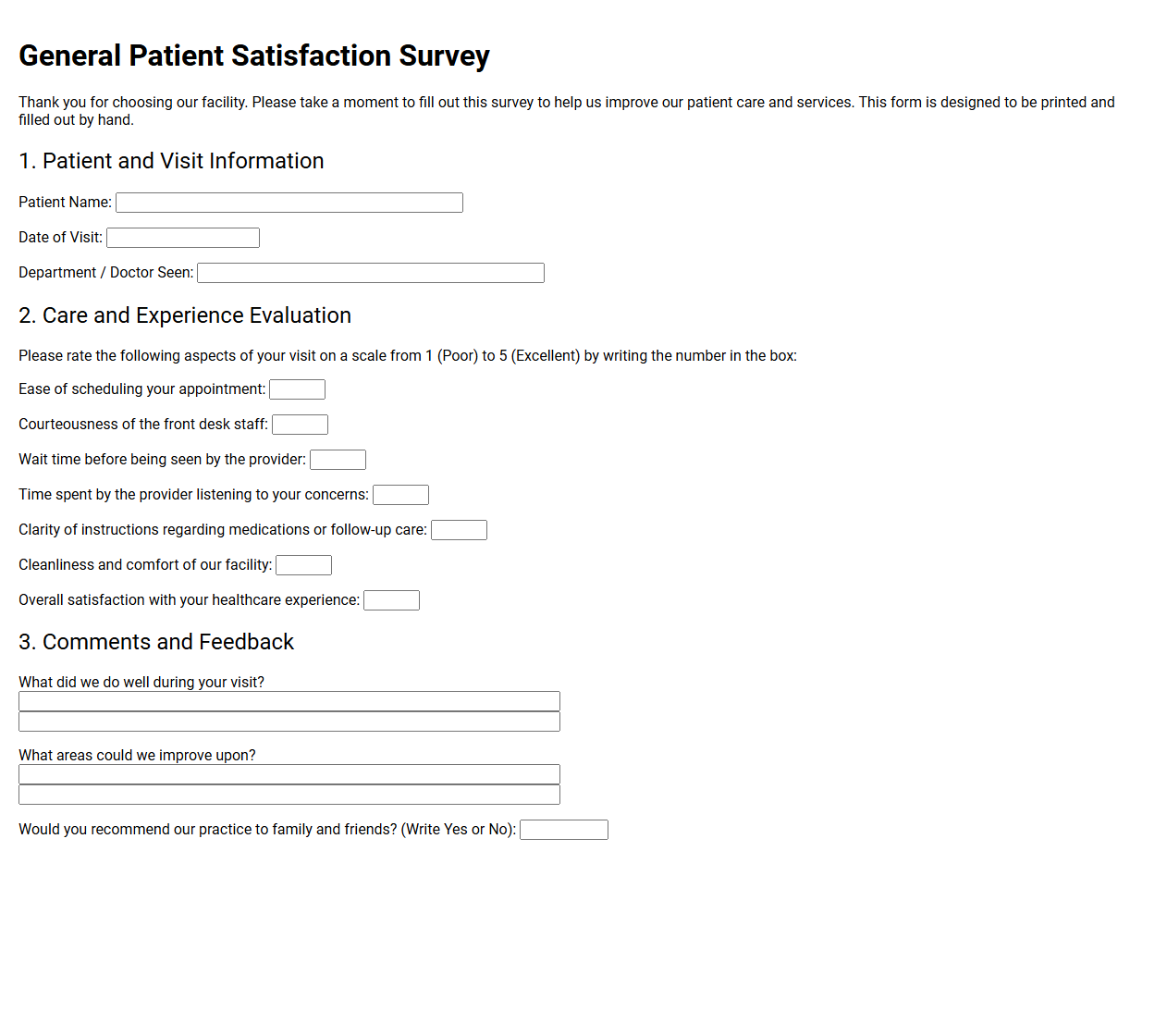
💾 General Patient Satisfaction Survey Form .pdf
A general patient satisfaction survey form gathers vital feedback regarding clinical care, staff communication, and facility cleanliness. This standard instrument helps healthcare providers evaluate service quality, identify areas needing improvement, and enhance the overall healing experience. Patients rate their visits, ensuring clinics maintain high standards of care and address concerns.
Outpatient Experience Feedback Questionnaire
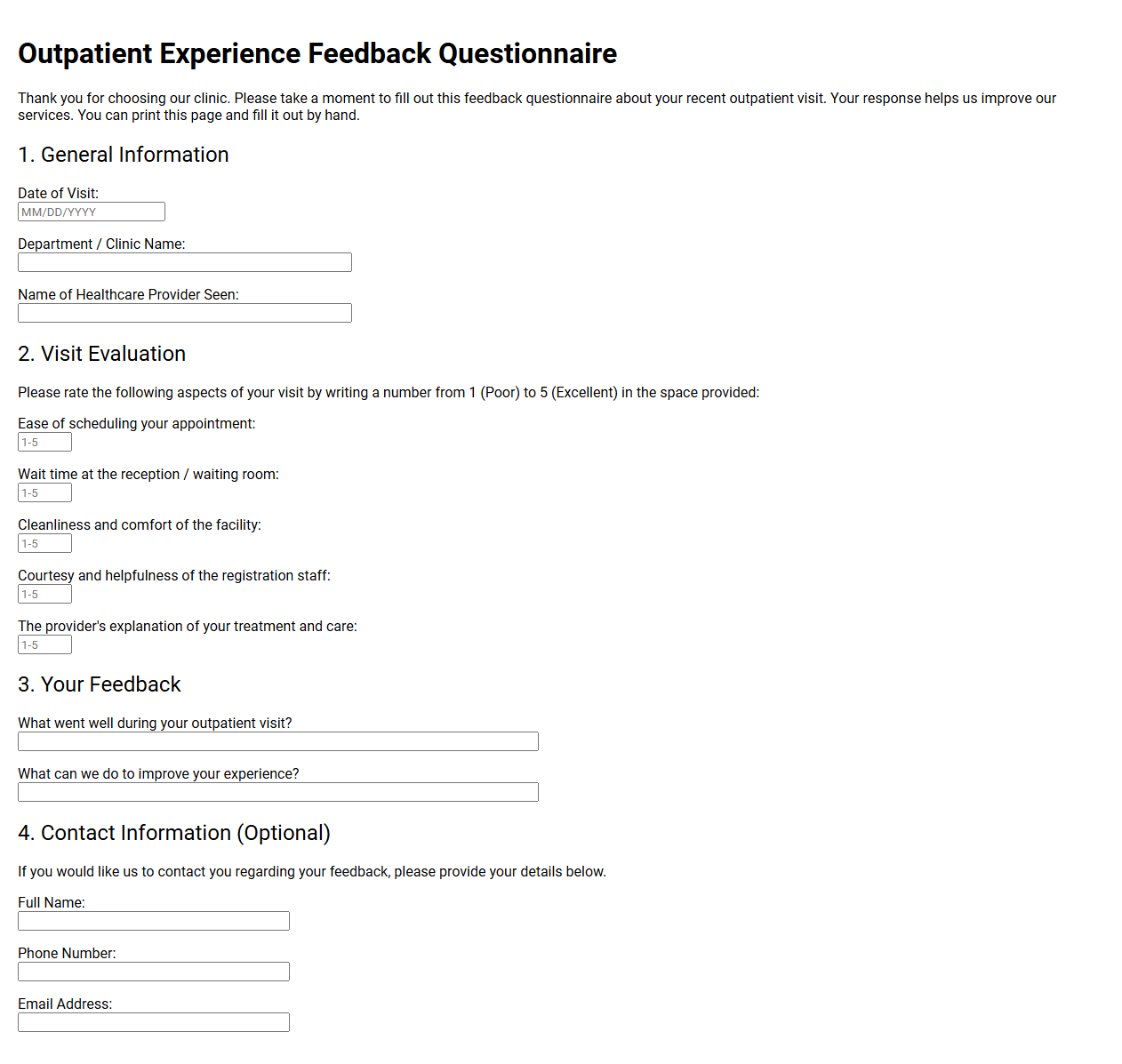
💾 Outpatient Experience Feedback Questionnaire .pdf
An outpatient experience feedback questionnaire is a standard tool used by healthcare providers to evaluate patient satisfaction. It collects valuable insights regarding wait times, staff communication, facility cleanliness, and quality of care. These assessments help clinics identify areas for improvement, ensuring future medical visits meet high clinical standards.
Inpatient Hospital Care Satisfaction Survey
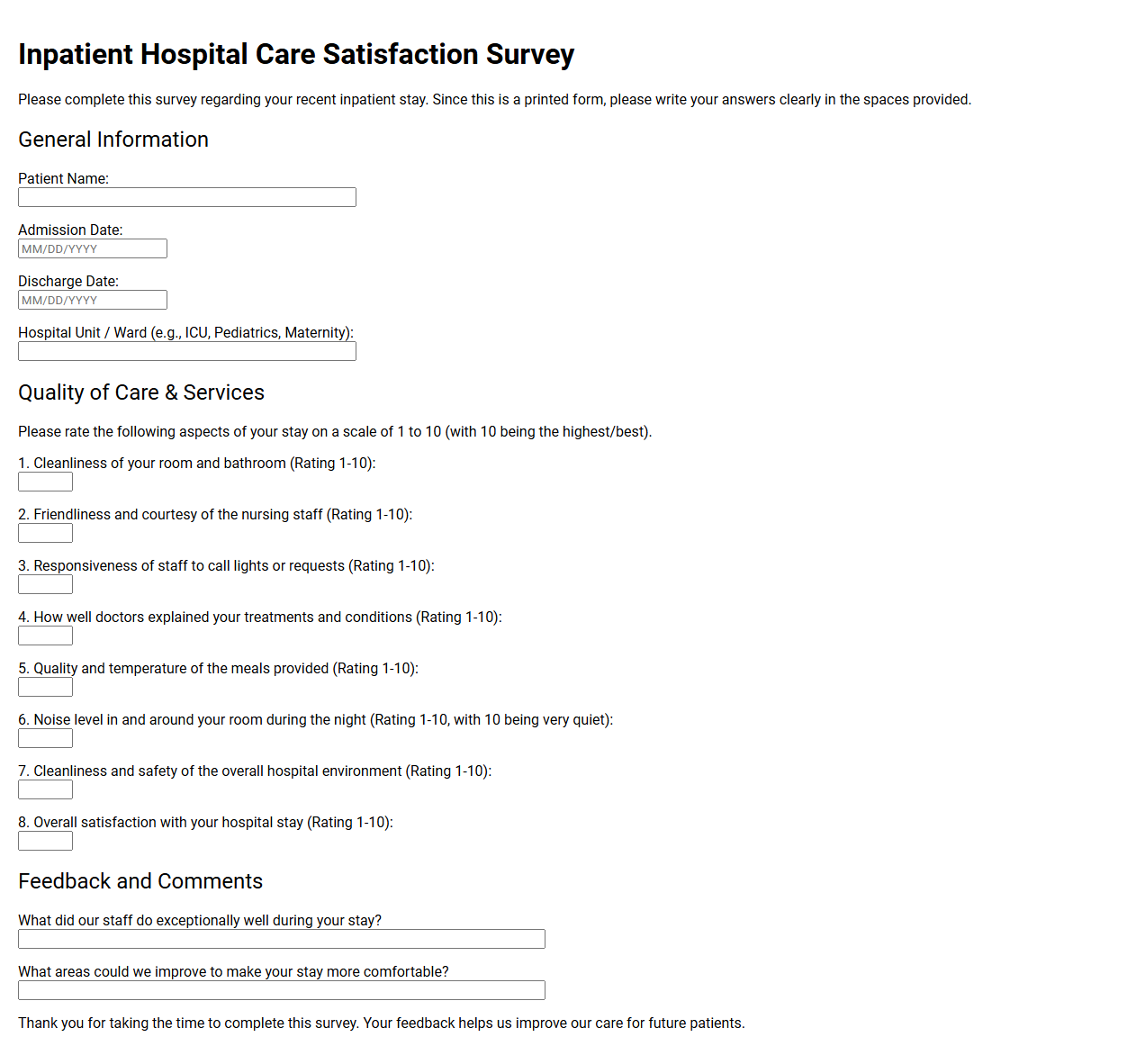
💾 Inpatient Hospital Care Satisfaction Survey .pdf
This standardized evaluation gathers vital feedback from patients regarding their overnight hospital stays. It assesses key areas including nursing responsiveness, doctor communication, pain management, cleanliness, and quietness of the environment. The resulting data helps healthcare facilities identify operational strengths and areas needing improvement to elevate the overall quality of patient care.
Telehealth Consultation Patient Feedback Form
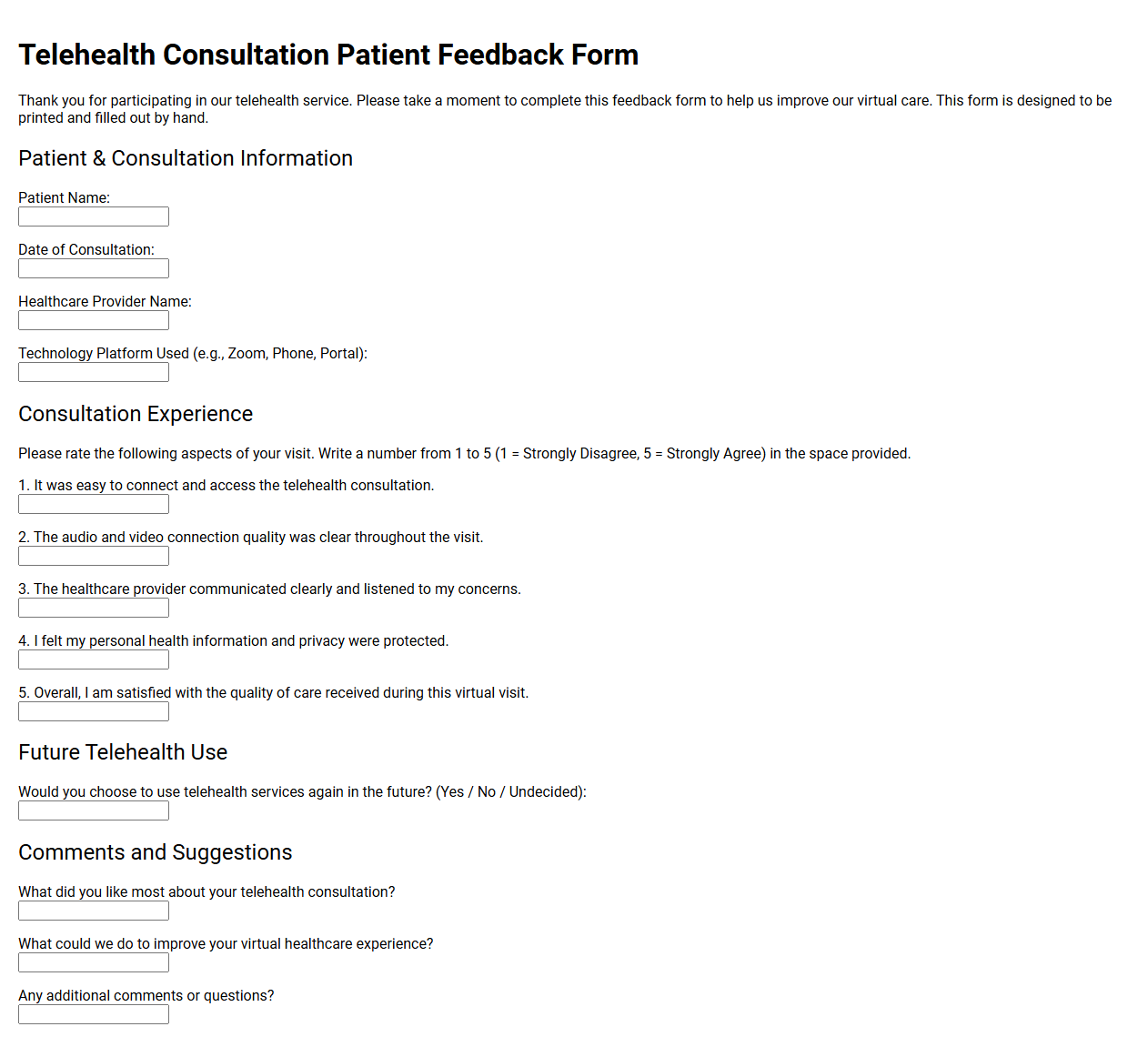
💾 Telehealth Consultation Patient Feedback Form .pdf
A telehealth consultation patient feedback form gathers valuable insights regarding virtual healthcare experiences. It evaluates connection quality, clinician communication, and overall satisfaction. By analyzing this vital data, clinics improve digital workflows, address technical challenges, and enhance remote patient care, ensuring medical outcomes remain high outside traditional physical clinic office settings.
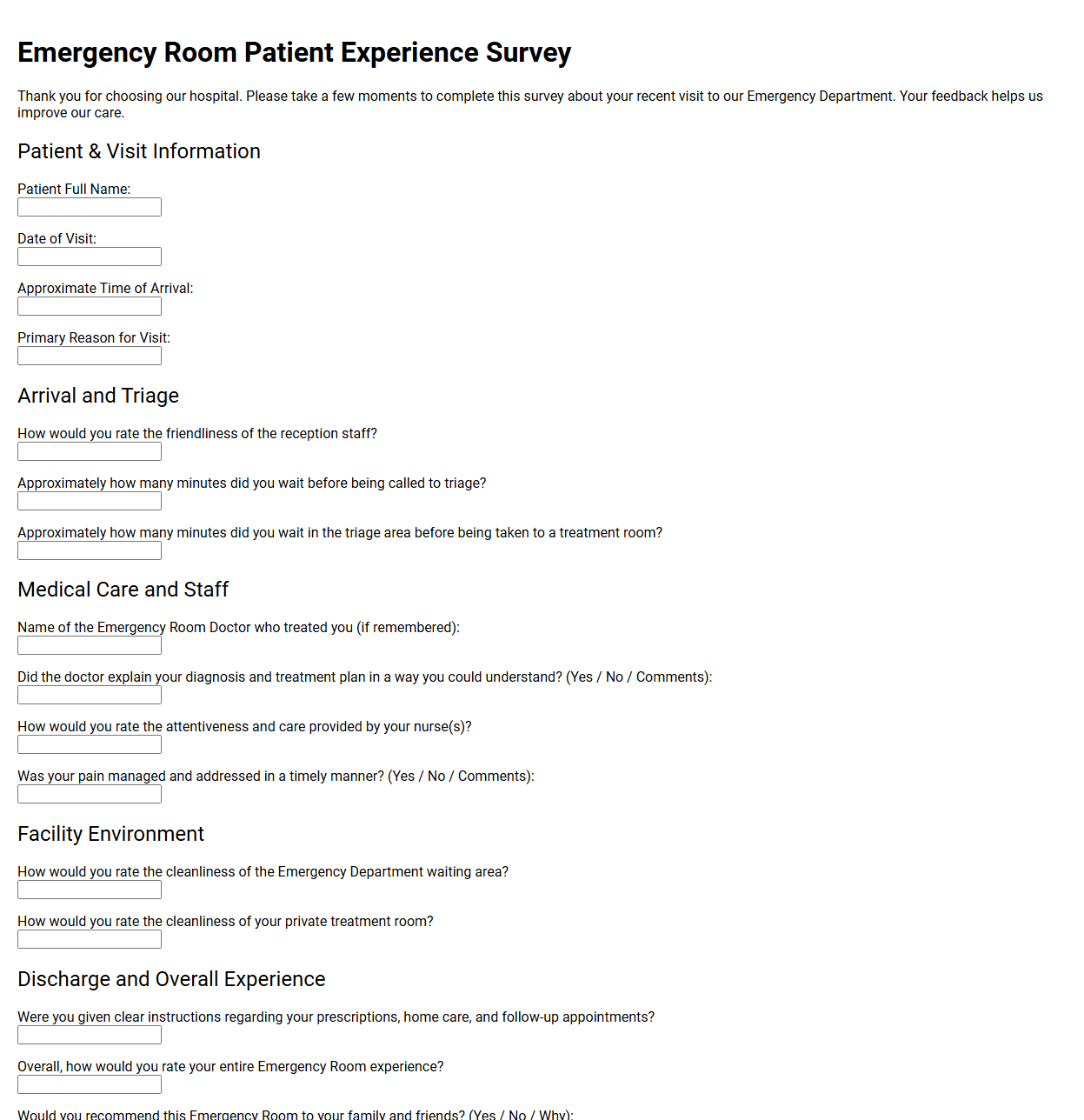
Emergency Room Patient Experience Survey
💾 Emergency Room Patient Experience Survey .pdf
An Emergency Room Patient Experience Survey gathers vital feedback regarding quality of care, wait times, and staff communication. This standard questionnaire helps hospitals evaluate medical staff responsiveness, cleanliness, and overall satisfaction. Patients rate their journey from admission to discharge, guiding healthcare facilities in improving emergency services and patient outcomes.
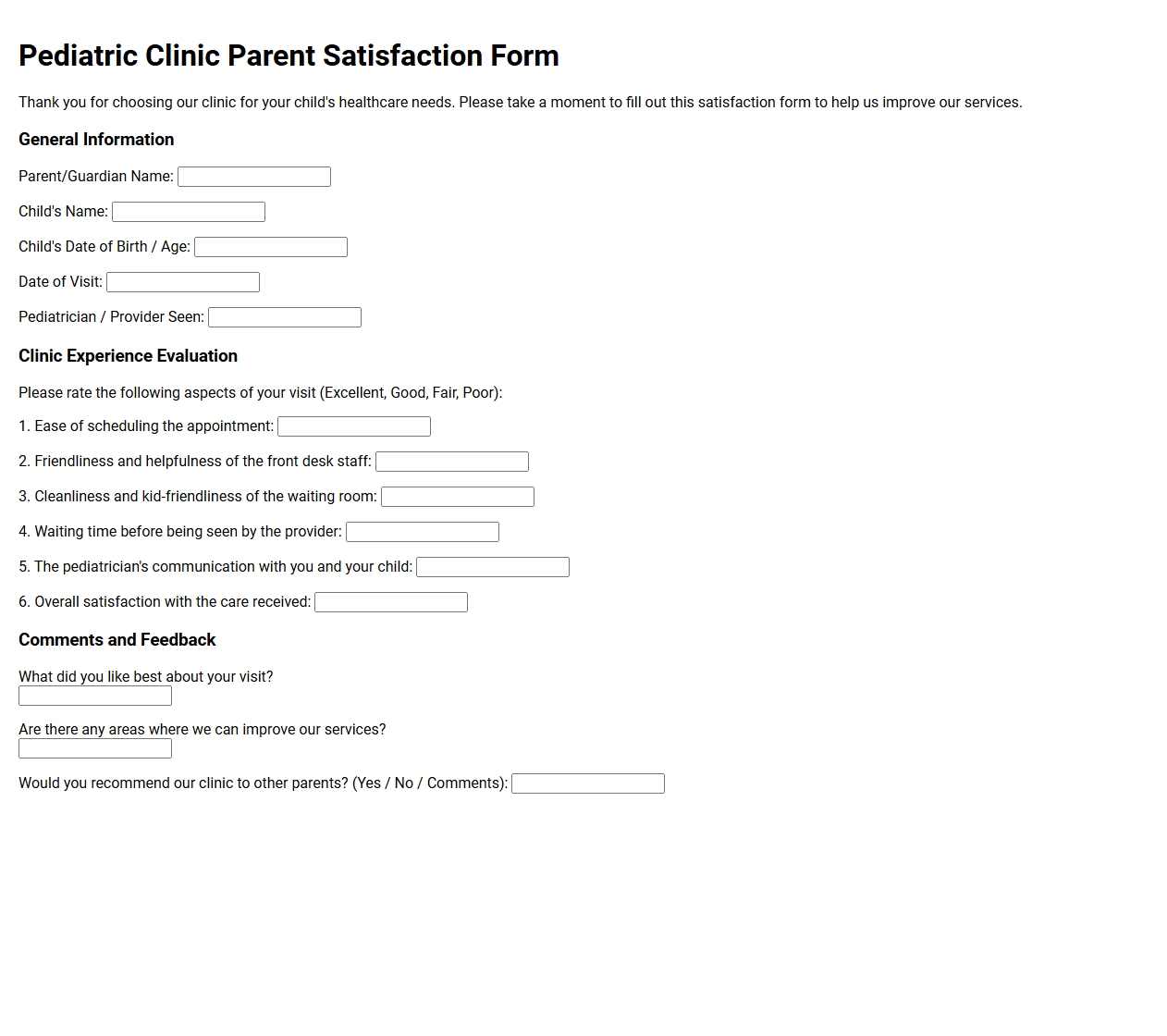
Pediatric Clinic Parent Satisfaction Form
💾 Pediatric Clinic Parent Satisfaction Form .pdf
This clinic questionnaire gathers feedback regarding a child's medical care. It typically evaluates waiting times, physician communication, and staff friendliness. By collecting these family insights, healthcare providers identify areas for improvement, ensuring a welcoming, supportive environment that meets the unique needs of parents and their young patients during visits.
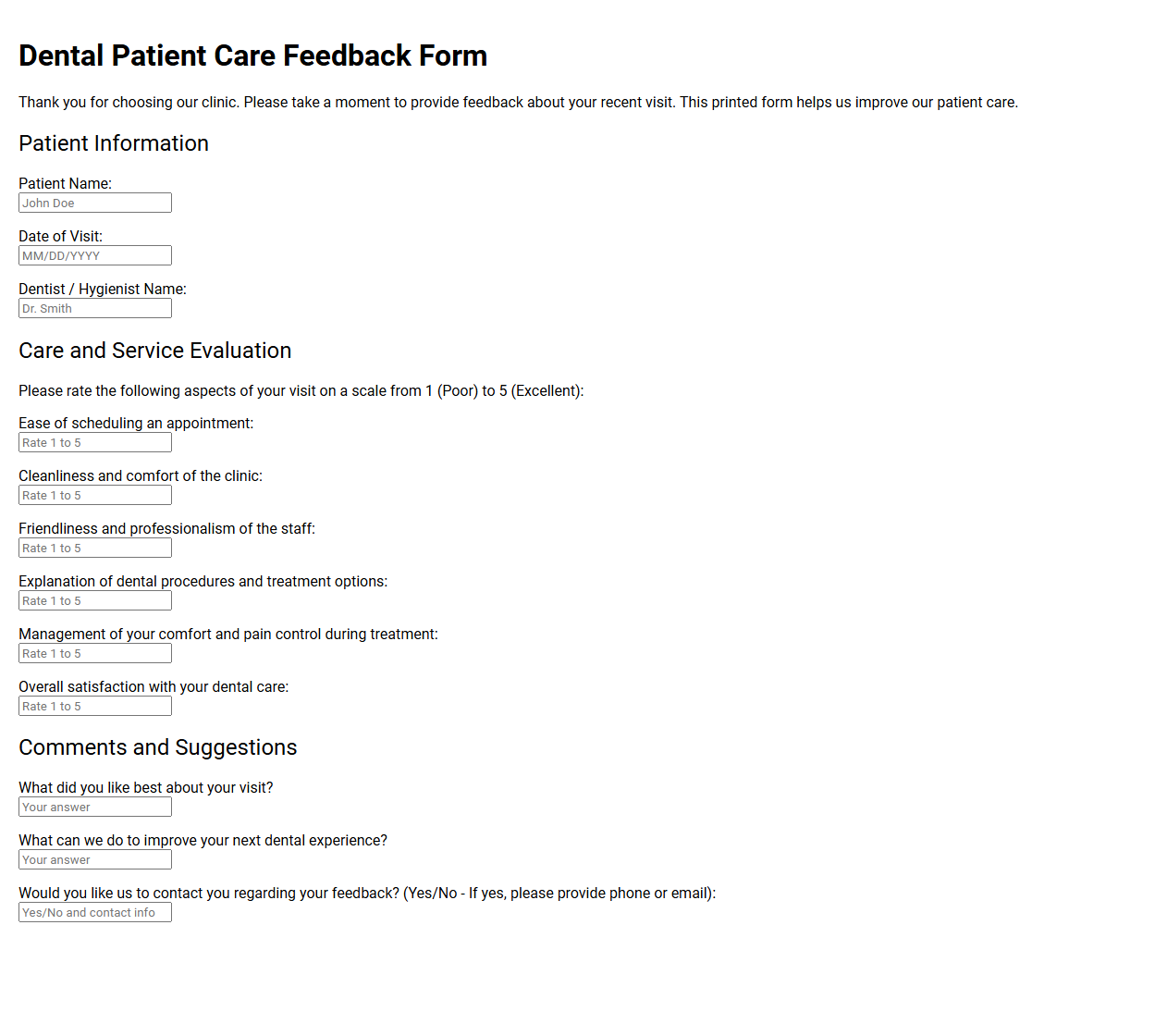
Dental Patient Care Feedback Form
💾 Dental Patient Care Feedback Form .pdf
A dental patient care feedback form gathers valuable insights regarding clinical visits. It evaluates treatment satisfaction, staff professionalism, office cleanliness, and scheduling efficiency. Clinics utilize this vital data to refine daily practices, enhance patient communication, and consistently ensure positive, high quality oral healthcare experiences for every individual visiting the facility.
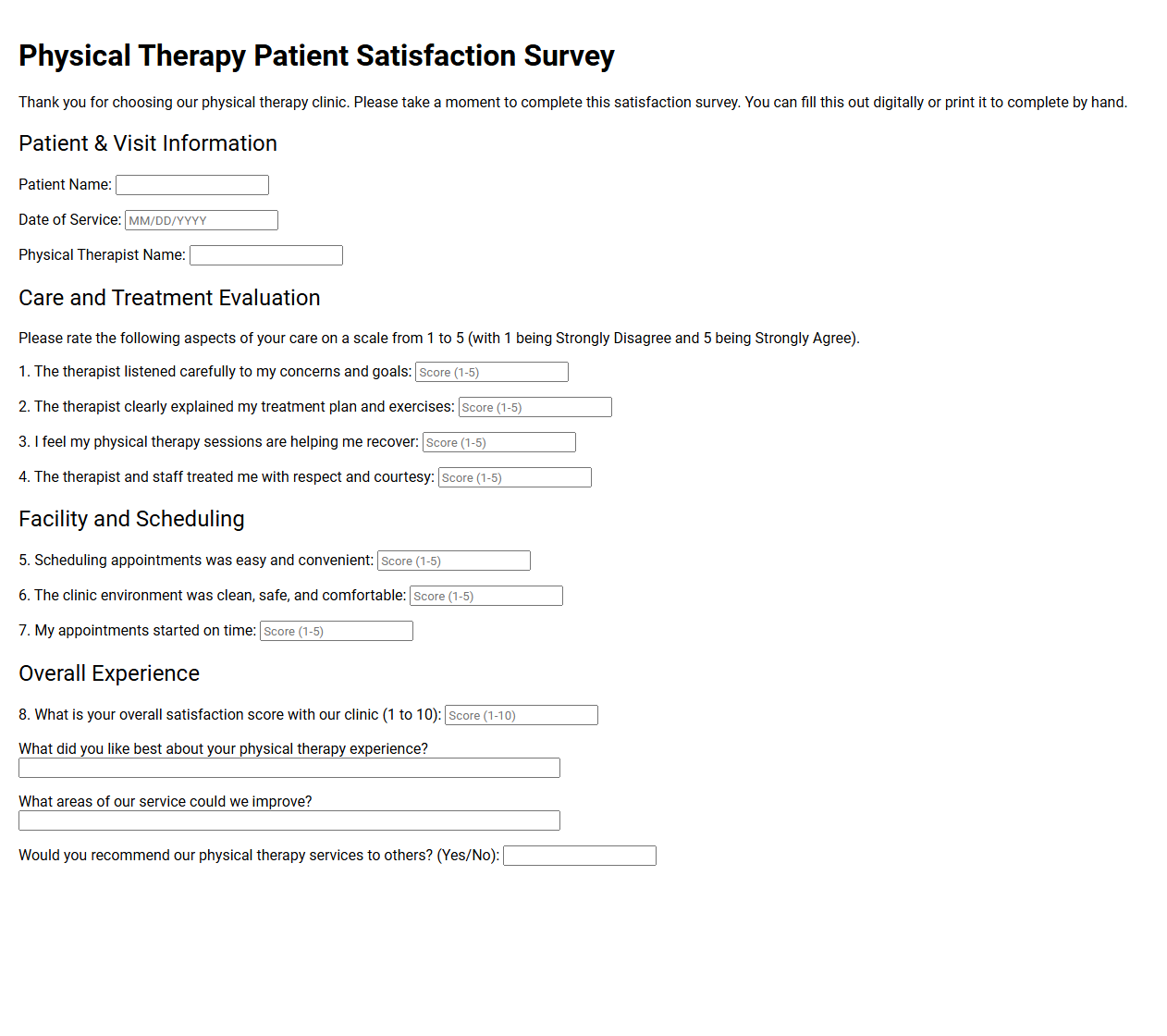
Physical Therapy Patient Satisfaction Survey
💾 Physical Therapy Patient Satisfaction Survey .pdf
A physical therapy patient satisfaction survey evaluates the quality of care received during rehabilitation. It measures therapist communication, clinic cleanliness, scheduling ease, and treatment effectiveness. This valuable feedback helps clinics improve clinical outcomes, enhance patient experiences, and ensure high standards of rehabilitative care are consistently met across all recovery programs.
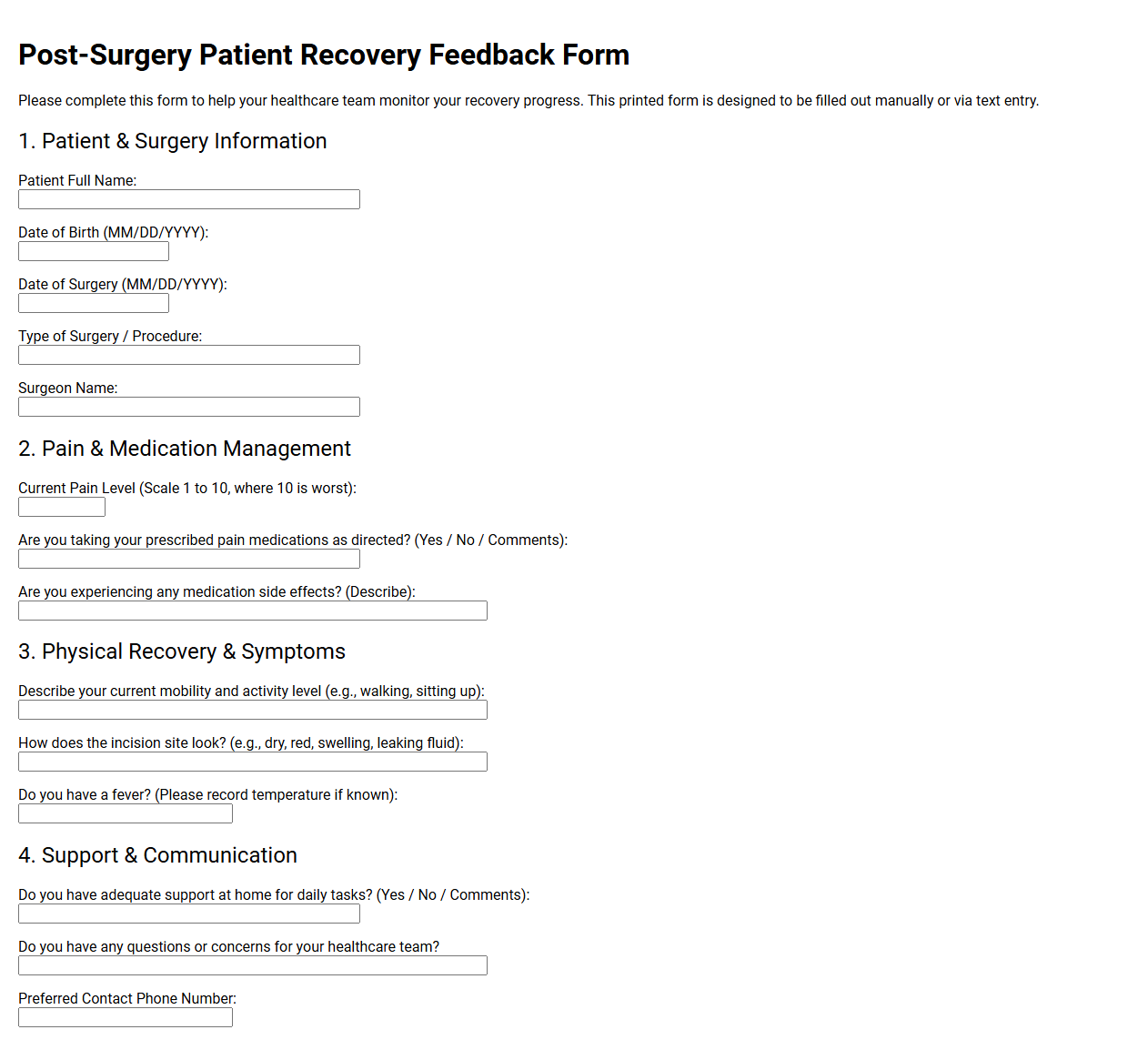
Post-Surgery Patient Recovery Feedback Form
💾 Post-Surgery Patient Recovery Feedback Form .pdf
A post-surgery patient recovery feedback form helps healthcare providers monitor healing progress after discharge. This document collects vital information regarding pain levels, wound healing, medication adherence, and overall physical mobility. By gathering these patient-reported insights, medical teams can optimize follow-up care plans and improve future surgical outcomes.
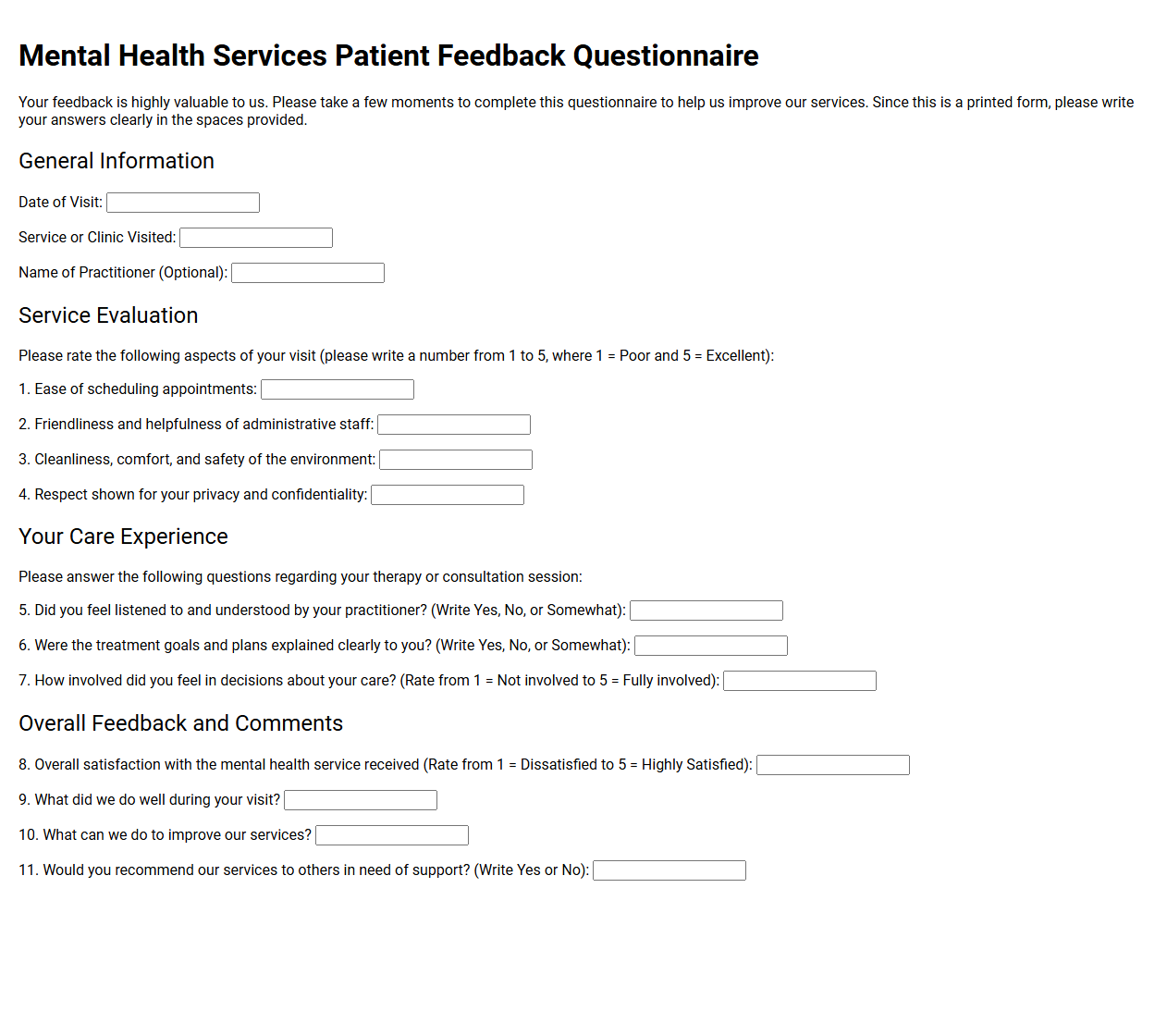
Mental Health Services Patient Feedback Questionnaire
💾 Mental Health Services Patient Feedback Questionnaire .pdf
This clinical document gathers valuable patient insights regarding their therapeutic journey and care quality. It evaluates provider communication, facility comfort, and treatment efficacy. By collecting anonymous responses, clinics identify crucial organizational strengths and areas needing immediate improvement, ensuring future mental health care aligns perfectly with overall individual patient wellness needs.
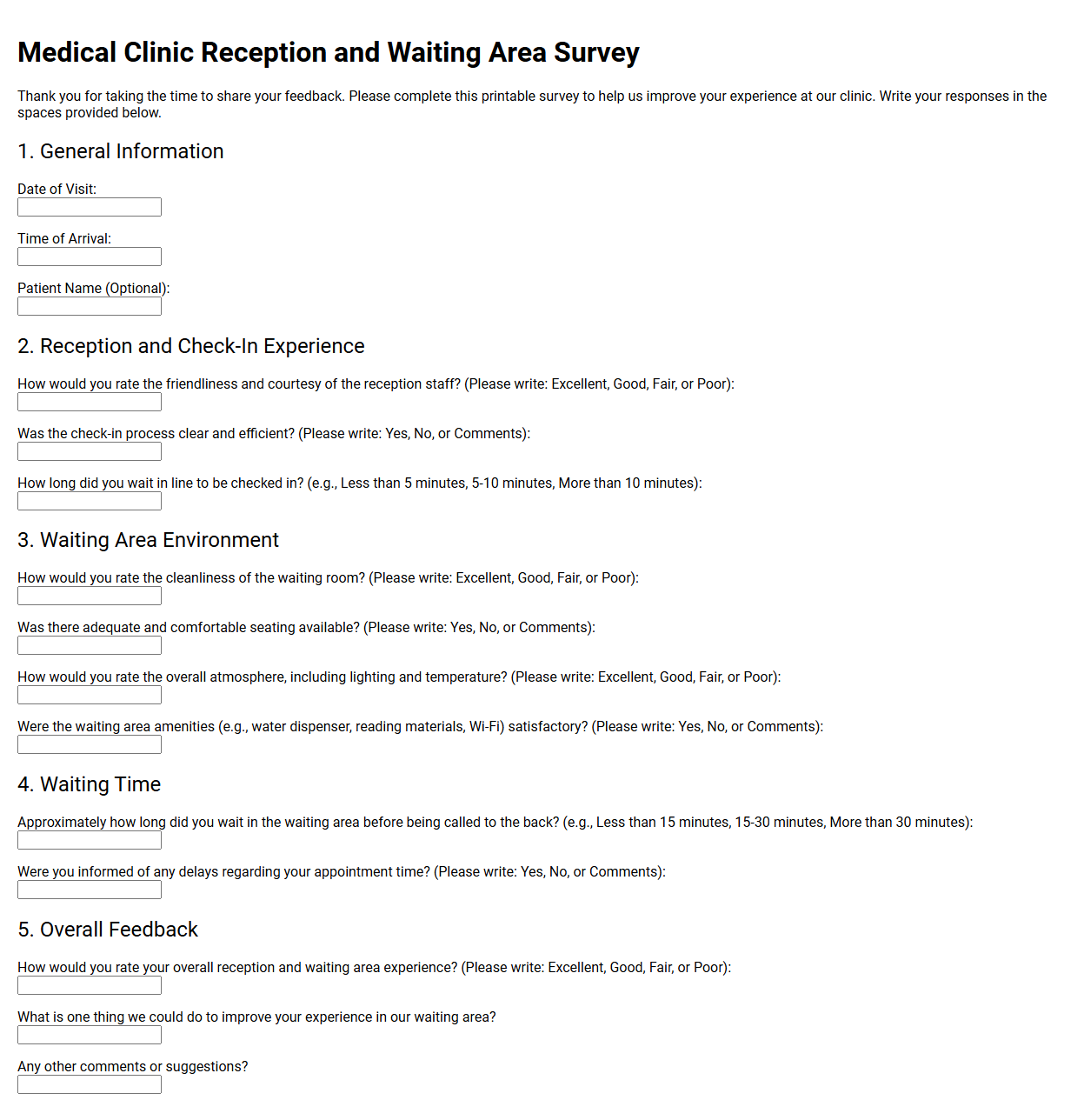
Medical Clinic Reception and Waiting Area Survey
💾 Medical Clinic Reception and Waiting Area Survey .pdf
This evaluation document gathers patient feedback regarding their initial arrival experience. It assesses staff friendliness, cleanliness, seating comfort, and wait times. By analyzing these responses, healthcare facilities identify specific areas needing improvement to enhance patient satisfaction, comfort, and overall administrative efficiency from the moment visitors step through the door.
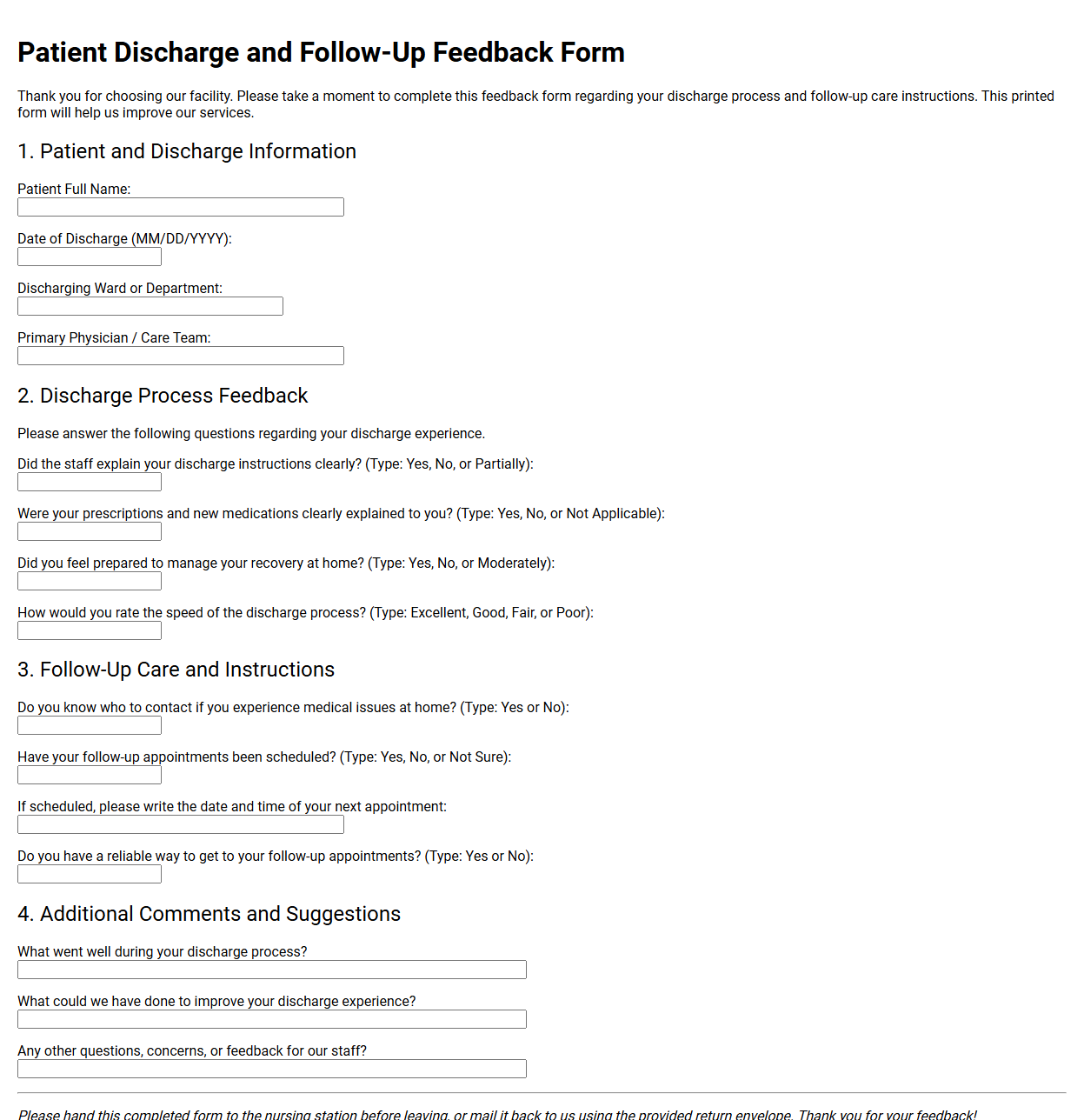
Patient Discharge and Follow-Up Feedback Form
💾 Patient Discharge and Follow-Up Feedback Form .pdf
This patient discharge and follow up feedback form evaluates the transition from hospital to home. It collects valuable data regarding medication instructions, staff communication, and overall care quality. Medical facilities analyze these responses to identify service gaps, improve clinical protocols, and enhance safety during the critical post discharge recovery period.
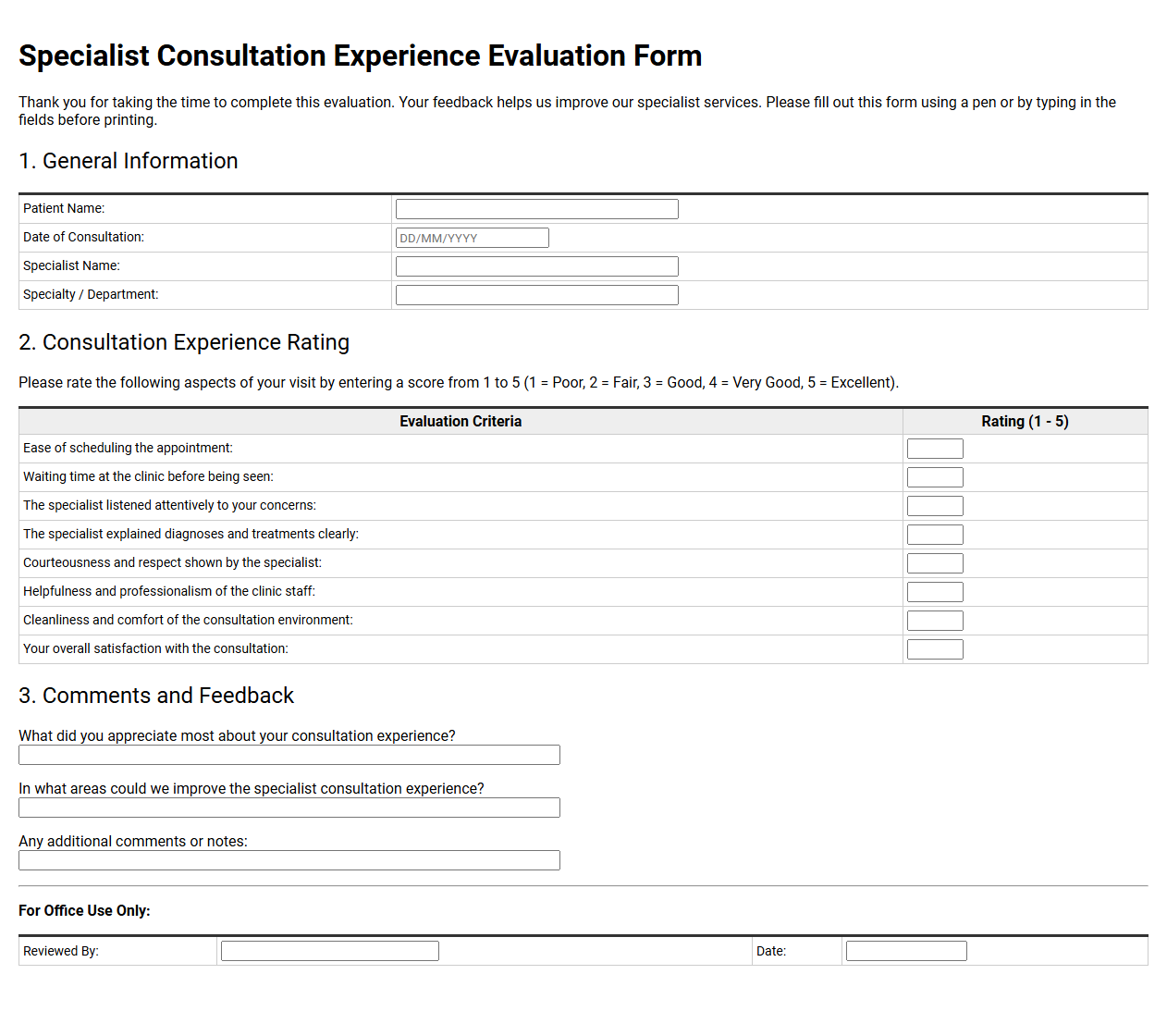
Specialist Consultation Experience Evaluation Form
💾 Specialist Consultation Experience Evaluation Form .pdf
A specialist consultation experience evaluation form gathers patient feedback regarding clinical visits. This structured document assesses communication clarity, wait times, facility cleanliness, and the quality of medical advice provided. Healthcare providers analyze these ratings to improve patient care, refine administrative workflows, and ensure high standards of specialist medical services.
Patient Satisfaction and Feedback Survey FAQ
Why is measuring patient satisfaction essential for healthcare providers?
Measuring patient satisfaction is crucial because it directly correlates with clinical outcomes, patient retention, and healthcare quality. By understanding patient perceptions of their care, communication, and clinic environment, providers can identify systemic gaps, enhance patient safety, and foster a more patient-centered approach to healthcare delivery.
How does patient feedback contribute to clinical quality improvement?
Patient feedback offers invaluable insights into the care experience beyond clinical metrics. It highlights communication issues, wait times, and empathy gaps. Analyzing this data allows clinical teams to refine protocols, improve bedside manner, streamline patient transitions, and implement evidence-based changes that directly elevate the overall standard of care.
Should patient satisfaction surveys be conducted anonymously?
Anonymous surveys generally yield more honest, constructive feedback as patients feel secure sharing sensitive experiences without fear of affecting their future care. However, offering an option for patients to share their contact details allows healthcare facilities to directly address specific grievances and resolve individual care issues promptly.
What key dimensions of care should a comprehensive patient survey assess?
A comprehensive patient survey should evaluate several critical dimensions: staff communication and empathy, physical environment cleanliness, waiting times, clarity of discharge instructions, and overall pain management. Assessing these diverse areas ensures a holistic understanding of the patient's journey and helps identify specific operational or clinical bottlenecks.
When is the most effective time to gather feedback from a patient?
Feedback is most accurate when gathered within 24 to 48 hours following discharge or appointment conclusion. Collecting responses quickly ensures the patient's memory of their interactions, treatment details, and facility conditions remains fresh, leading to highly precise, actionable, and reliable data for quality improvement initiatives.
Disclaimer:
The documents and templates provided on this page are for informational and illustrative purposes only. They do not constitute professional, legal, or financial advice, and should not be relied upon as such. Because individual circumstances and regulatory requirements vary, these materials may not be suitable for your specific needs. We recommend consulting with a qualified professional before adapting or using any of these examples for official or commercial purposes.